The place in-between.
Doel, Belgium. Summer 2022.
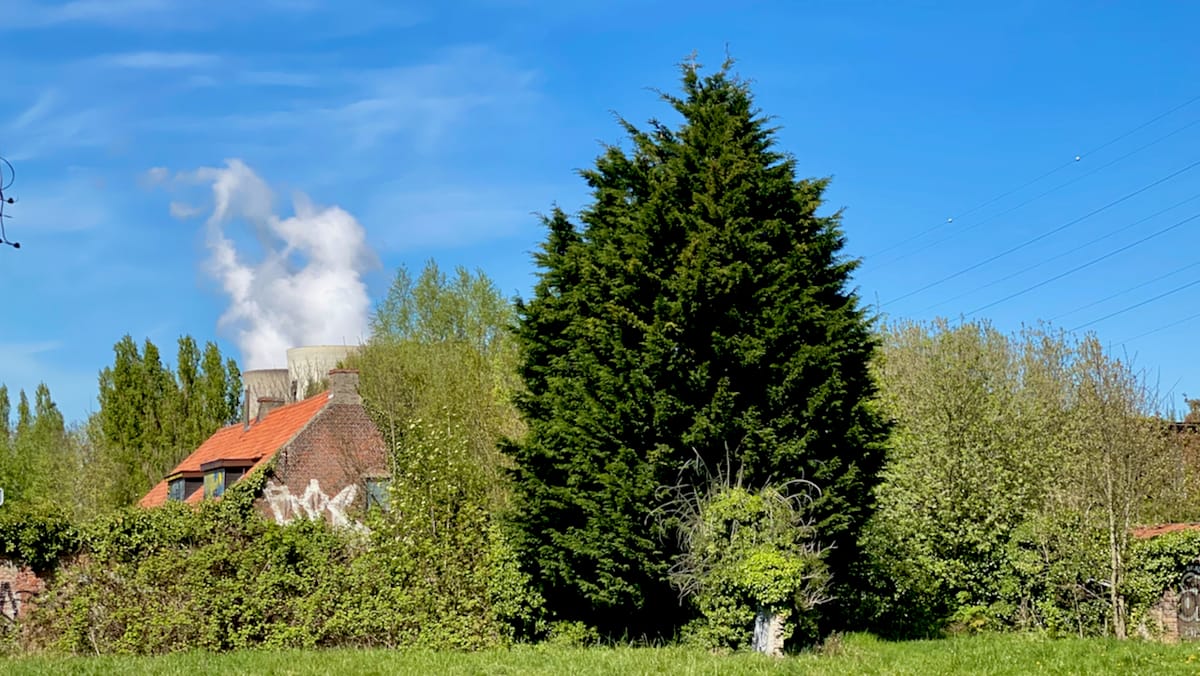
Shortly after the last pandemic restrictions were lifted in spring of 2022, we took a weekend trip to Belgium. Our first weekend away since arriving in the Netherlands in December 2019. On our way back home, we stopped in the village of Doel.
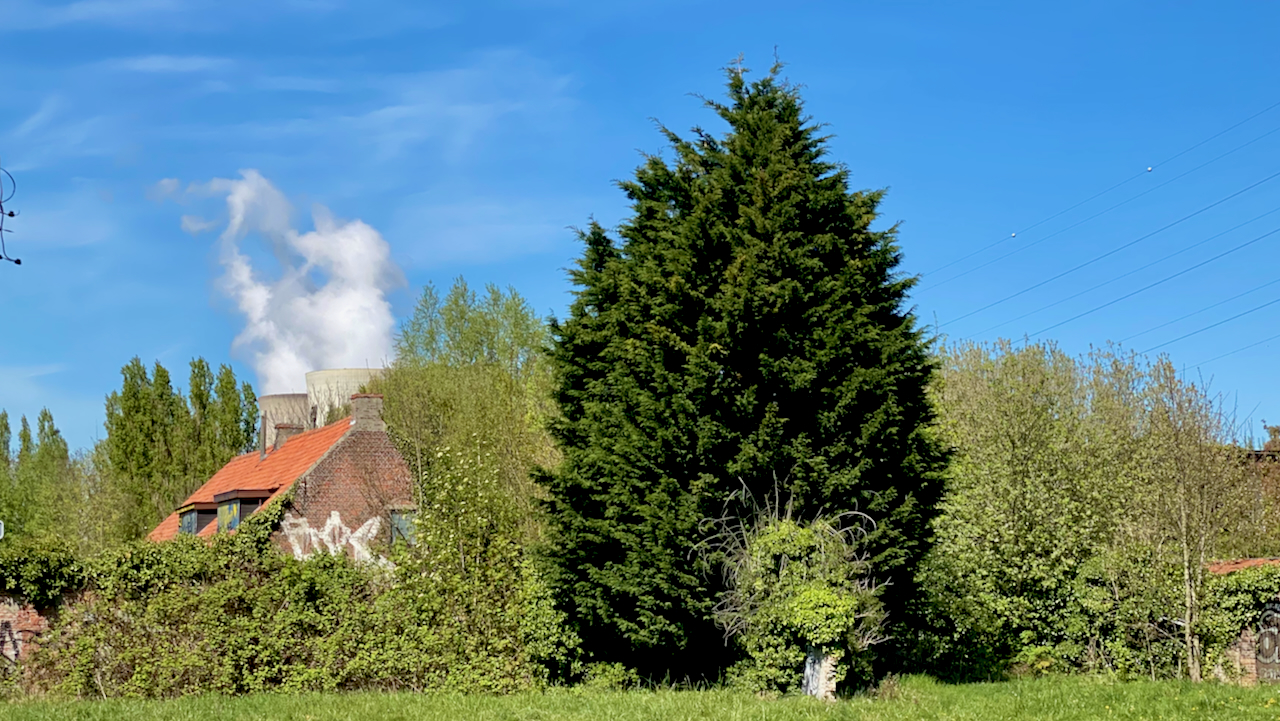
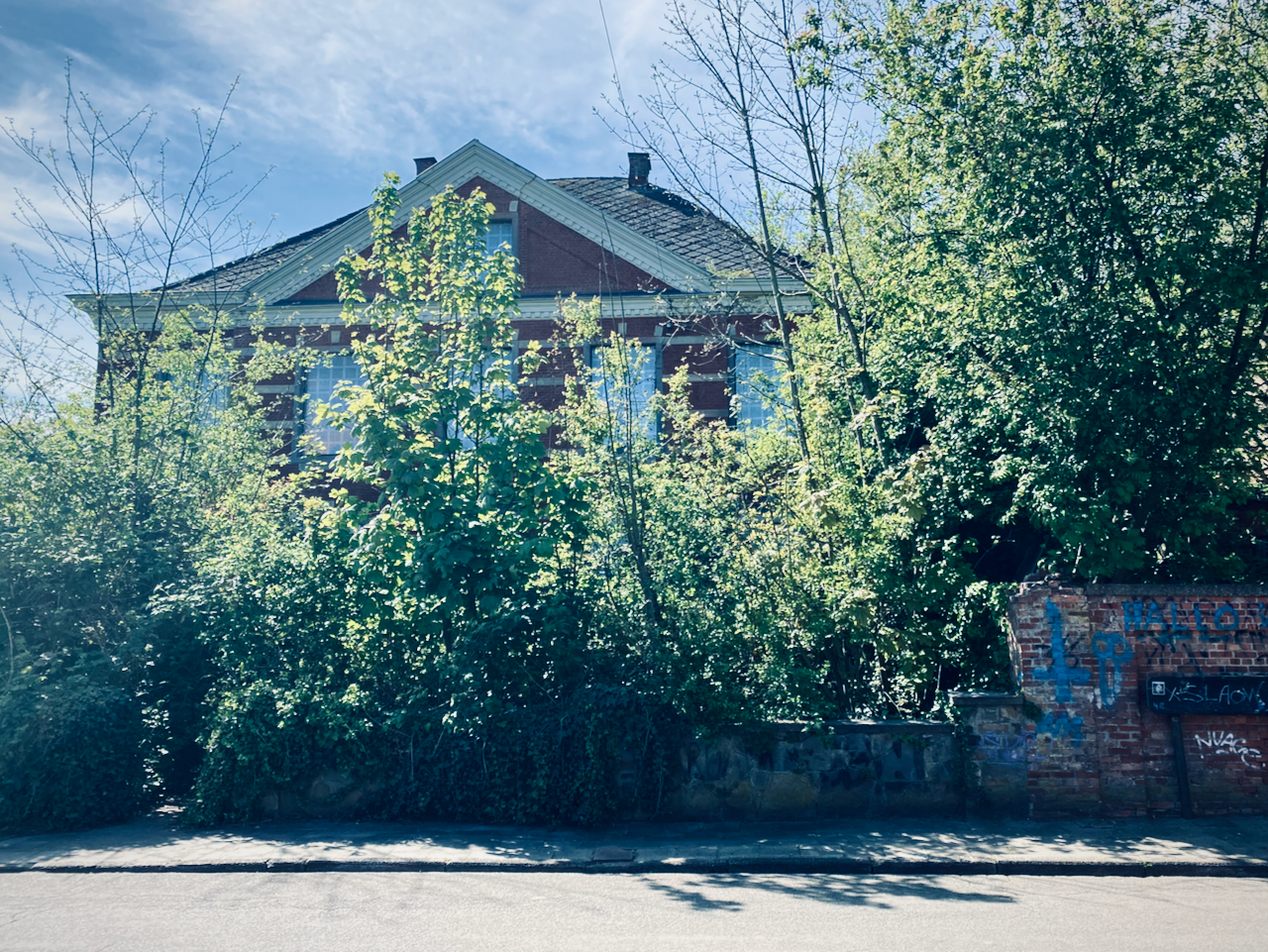
Located in the Flemish province of East Flanders in Belgium. The village’s history, dates back to the early 13th century. The village sits behind high seawalls on land reclaimed from the river Schelde at the beginning of the 17th century, occupying a place between water and land that feels old and temporary at the same time.
Standing on the seawall, the oldest stone windmill in Belgium cuts a strange outline against the gigantic nuclear power station neighbouring the village.
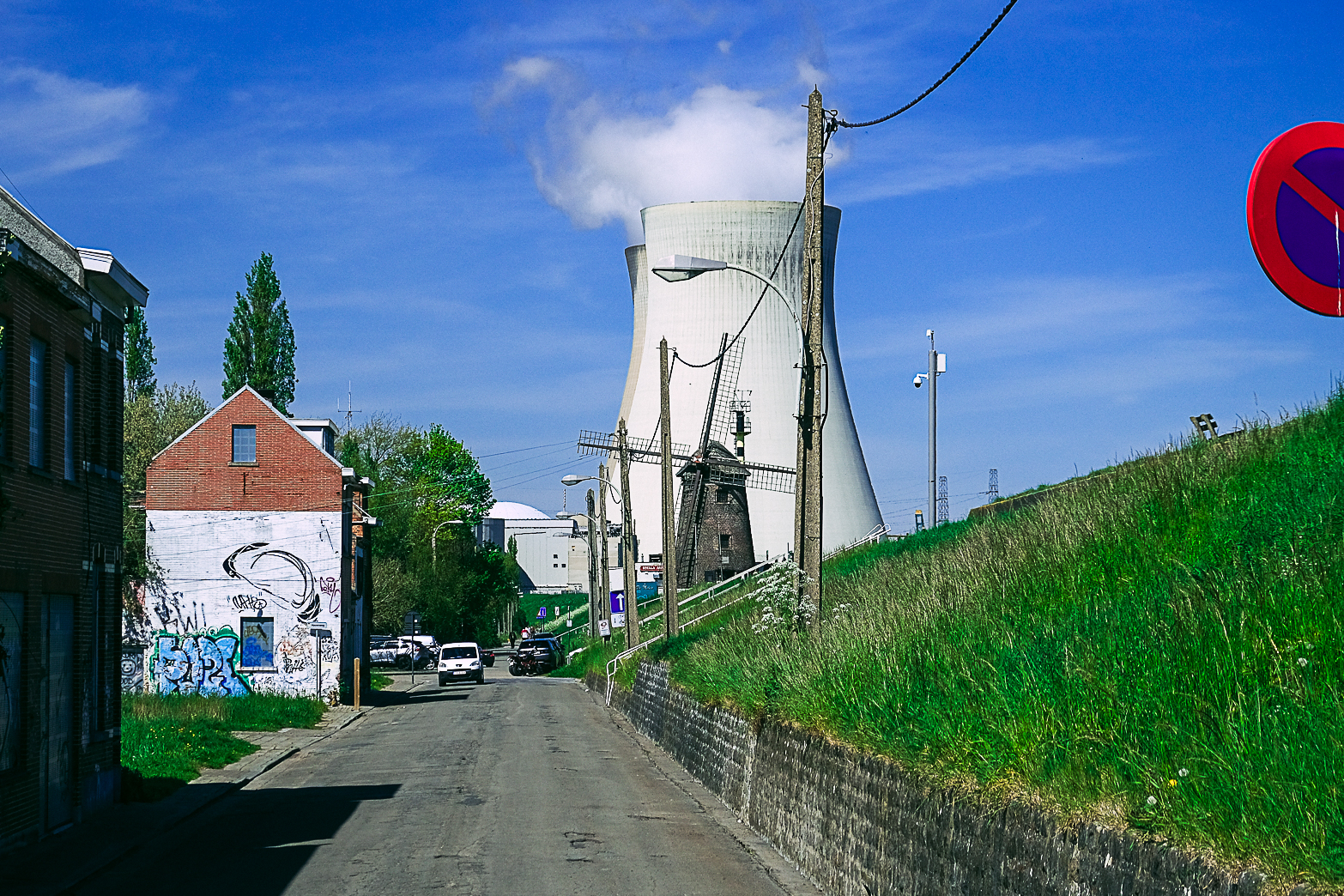
In 1965, a decision was made to expand the port of Antwerp, which meant the village, its inhabitants and historic buildings had to make way for access roads, container terminals and cranes. Today, nearly sixty years later, amid court battles, protests and probably a fair amount of bloodymindedness, the village is still standing. Mostly abandoned except for a biker pub and a church with an immaculate graveyard, the abandoned buildings are slowly giving way to undergrowth and the decay of the seasons.
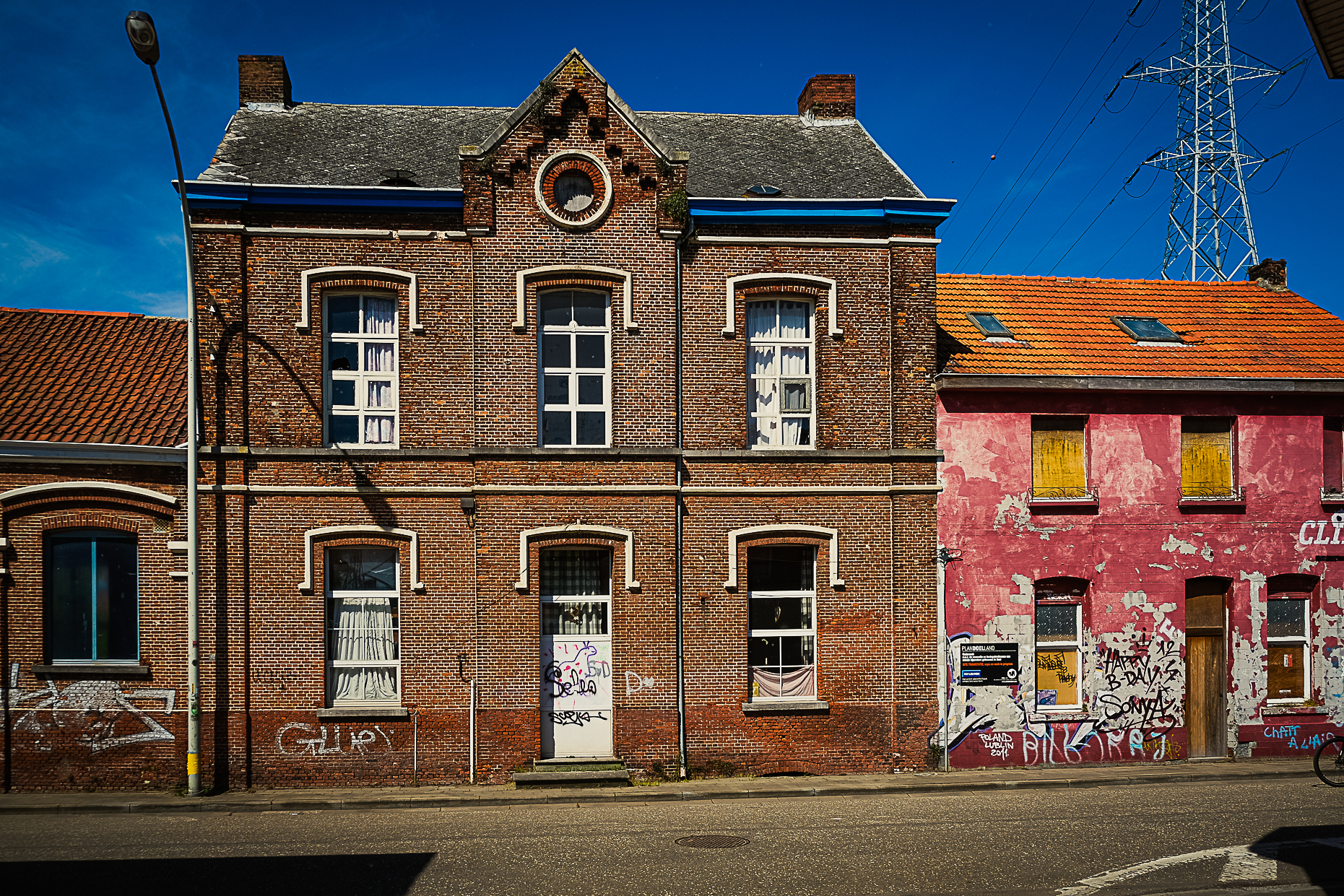
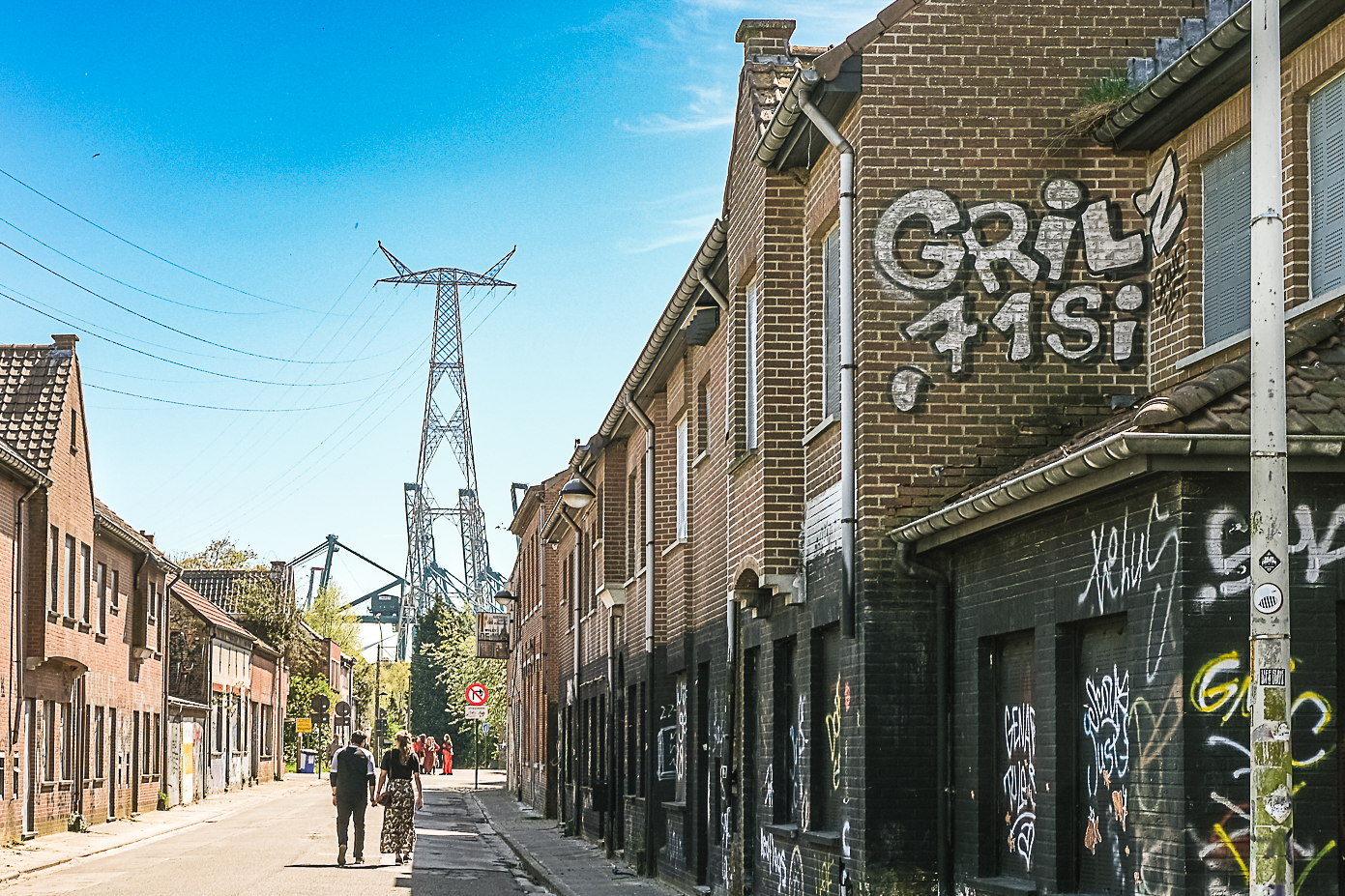
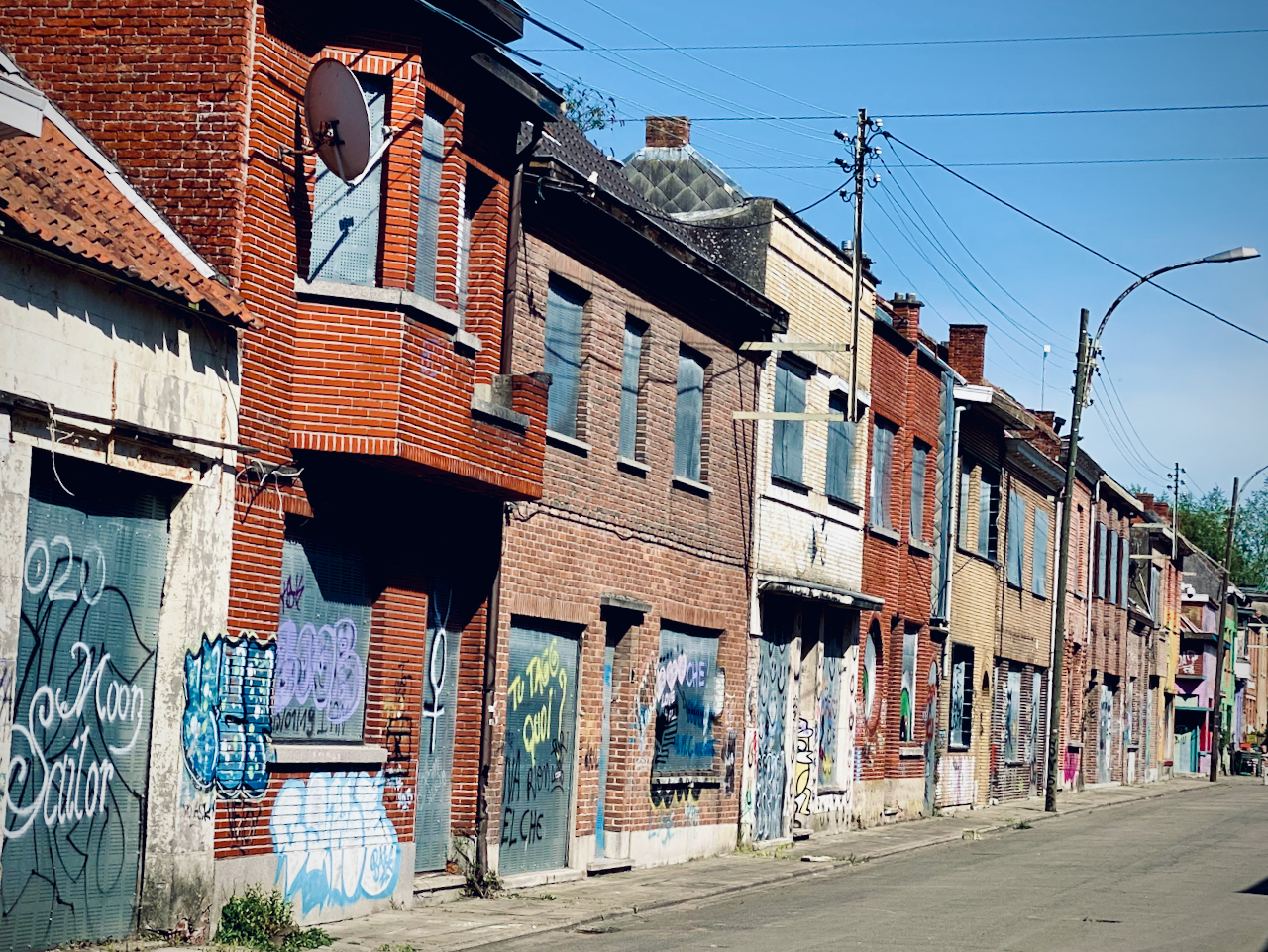
On a bright summer day, you will find families wandering the streets, walking along the seawall or slowly cycling down the village’s main street dodging TikTok dance troops making the most of the graffitied walls and post-apocalyptic backdrop.
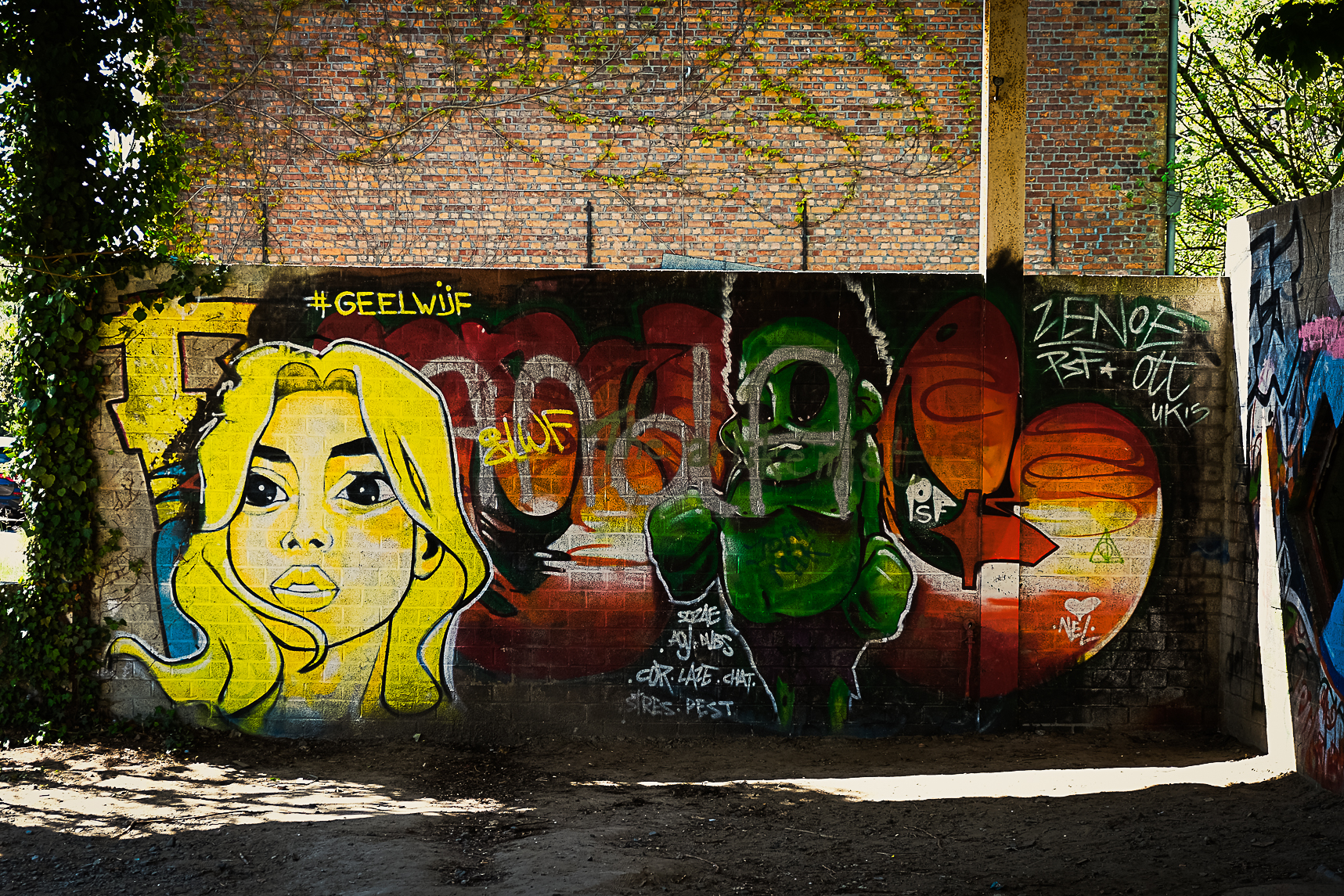
Doel exists as a liminal space, a place seemingly ready to blink out of existence at any moment, and yet strangely rooted and permanent in the landscape.